
The Ethics of AI Voice: Building Trust in a Digital World
The Ethics of AI Voice: Building Trust in a Digital World
In the UK, the “stiff upper lip” is giving way to a new kind of digital skepticism. As we move through 2026, British consumers are more aware than ever of the data they share. For a business, the human voice is no longer just a medium for conversation—it is a biometric asset.
At BizChitchat.ai, we believe that the future of the UK’s digital economy depends on a single factor: Trust. As a UK-managed service, we understand that local SMEs aren’t just looking for efficiency; they are looking for a way to innovate without compromising the privacy of their community.
1. The Invisible Interface: Why Voice AI is the New Ethical Battleground?
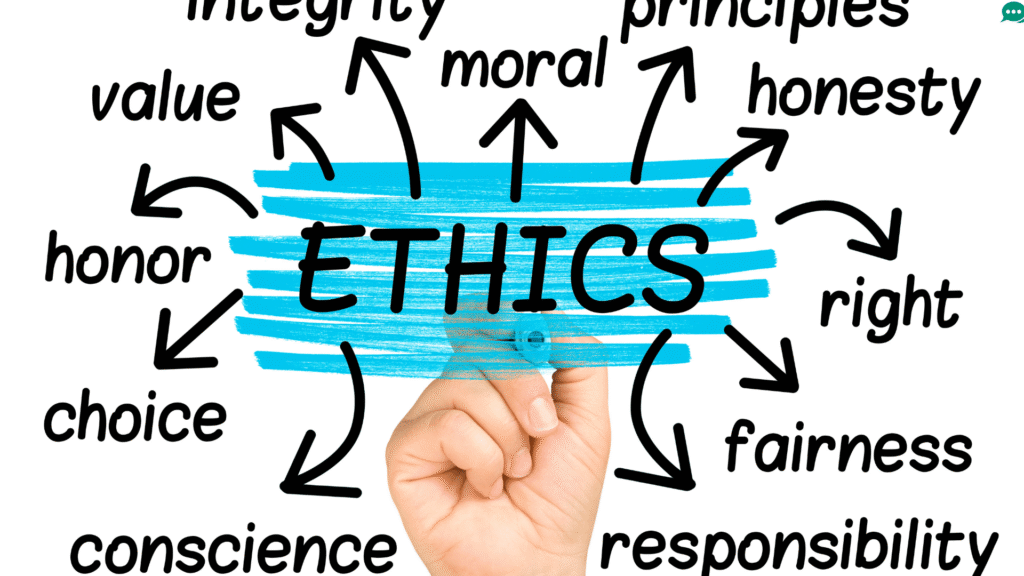
Voice is the most intimate interface we have. In the UK, where 74% of people are now comfortable with AI-powered assistants making everyday choices, the transition to voice-first business is well underway. However, because voice is so frictionless, it often bypasses our natural defenses.
For British SMEs, the challenge is implementing these tools responsibly. To understand the foundational technology making this possible, it is helpful to look at what is Voice AI and how ASR, NLU, and TTS work together. The ethical battleground isn’t just about the “code”—it’s about the context. When a customer calls a local business, they expect a “human-centric” experience, even if the voice on the other end is synthetic.
2. Beyond the Wake Word: Voice AI Data Privacy and the UK GDPR

In the UK, voice data is classified as biometric data. Under the UK GDPR and the Data (Use and Access) Act 2025, businesses have a legal and moral obligation to treat “voiceprints” with the same level of security as a fingerprint or a passport number.
The “Passive Listening” Concern
The fear that devices are “always listening” remains a significant barrier to adoption. Ethical Voice AI must be “Privacy by Design.” This means:
- Data Minimisation: Only recording what is necessary to complete the task.
- Local Processing: Minimising the amount of data sent to the cloud.
- Sovereignty: Ensuring data stays within UK jurisdiction.
Whether you are choosing a DIY vs. Managed Voice AI solution, ensuring your provider understands the nuances of the Information Commissioner’s Office (ICO) guidelines is a non-negotiable step.
3. The Voice AI Deepfake Dilemma: Navigating the Era of Synthetic Deception
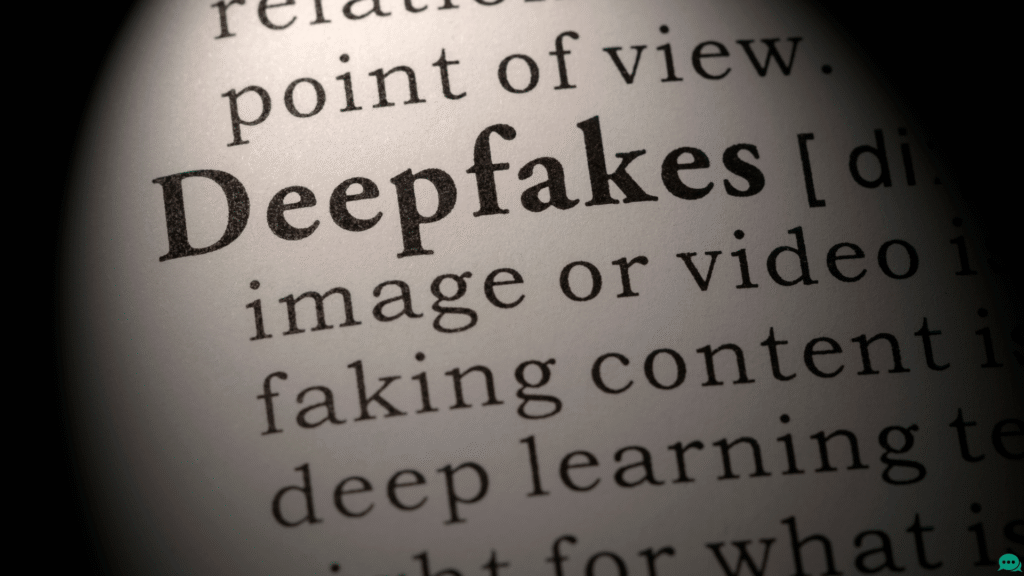
We have reached a point where “hearing is no longer believing.” With the rise of AI-cloned voices, “vishing” (voice phishing) has become a major threat to UK financial security. High-profile cases of audio manipulation have put the British public on high alert.
At BizChitchat.ai, we combat this through disclosure. We believe it is an ethical imperative to be radically transparent:
- Identity Disclosure: Every AI interaction should begin with a clear (yet natural) indication that the caller is speaking to an automated assistant.
- Authentication: Using secondary channels to verify high-value transactions.
As companies weigh the IVR vs. Conversational Voice AI debate, the winners will be those who use advanced agents to improve service while maintaining total honesty about the agent’s identity.
4. Breaking the Sound Barrier: Overcoming Voice AI’s Algorithmic Bias

The UK is home to a vast tapestry of accents and dialects—from Glaswegian to Geordie, Brummie to Cockney. A major ethical failure of early Voice AI was Linguistic Exclusion, where systems were trained primarily on “Standard English,” effectively muting millions of users.
Inclusion is an Ethical Mandate. An AI that cannot understand a customer due to their regional accent is not just a technical glitch; it’s an exclusionary practice that hurts the brand. BizChitchat.ai prioritises NLU (Natural Language Understanding) models trained on diverse UK datasets, ensuring that every caller, regardless of their postcode, feels heard and understood.
5. The Trust Blueprint: Best Practices for Ethical Voice AI

How does a UK business move from theory to practice? We recommend a “Consent-First” architecture.
- Active Opt-In: Moving beyond burying privacy clauses in the footer of a website.
- Human-in-the-Loop: Every AI interaction must have a “panic button”—a seamless way for the caller to reach a human member of your UK team.
- Safety by Design: Implementing prompt filters to prevent the AI from being “tricked” into providing inappropriate or biased responses.
If you are ready to build your own system, follow this step-by-step guide to implementing a Voice AI agent to ensure you are building on a foundation of ethical best practices.
6. The Ethics Dividend: Why Responsible Voice AI is a Competitive Advantage

There is a common misconception that ethical constraints slow down business. In reality, in the UK market, Ethics is a USP.
British consumers are increasingly choosing brands that align with their values. By being transparent and secure, you aren’t just avoiding fines; you are building a “Trust Dividend” that results in higher customer retention.
The financial argument is equally compelling. To see how these ethical choices and 24/7 availability impact your bottom line, you can explore the ROI of Voice AI and use this framework for financial modeling. For SMEs concerned about the cost of missed opportunities, our free missed call cost and revenue calculator helps quantify exactly what’s at stake.
7. Orchestrating a Human-Centric Audio World with Voice AI

The future of Voice AI in the UK is not a zero-sum game of “man versus machine.” It isn’t about replacing the British workforce; it’s about augmenting our innate ability to connect. By removing the friction of administrative hurdles and the frustration of “on-hold” music, we free up human teams to handle the complex, high-empathy interactions that truly define a brand. As we move forward, our collective goal is to create a digital environment where technology doesn’t just mimic our speech, but actually speaks our language nuances, localisms, and all.
In a marketplace increasingly crowded with “black box” technologies, the path to leadership is paved with transparency. By prioritising UK-based data security, we respect the privacy of our neighbours. By celebrating our regional linguistic diversity, we ensure that a caller in Glasgow or Cardiff feels just as valued as one in London. And by being unwaveringly honest about the role of AI, we remove the “uncanny valley” of deception that poisons brand loyalty.
At BizChitchat.ai, we believe that responsible innovation is the only way to future-proof your business. Together, we can build a digital world that sounds exactly like the future should: helpful, honest, and undeniably human. When we lead with ethics, we don’t just build better bots; we build a more connected Britain.
Ready to Build an Ethical Voice AI Strategy for Your Business?
The bridge between cutting-edge technology and human trust is built on transparency and reliability. At BizChitchat.ai, we specialise in helping UK businesses implement a managed Voice AI solution that doesn’t just sound human—it respects the humans it serves.
Whether you’re looking to eliminate missed calls, improve customer satisfaction, or scale your operations securely within the UK market, we have the framework to get you there.
Take the next step toward a more connected, trusted future:
- Audit Your Opportunity: Use our Free Missed Call Cost & Revenue Calculator to see the impact of a 24/7 ethical voice agent.
- Book a Consultation: Speak with our UK-based team today to discuss a Managed Voice AI solution tailored to your brand’s values.
- Get the Guide: Checkout our Step-by-Step Implementation Guide to start your journey with confidence.
Don’t let another call go unanswered. Build a voice your customers can trust.